
Line Artefact
Mercury PNG
MercuryIcon
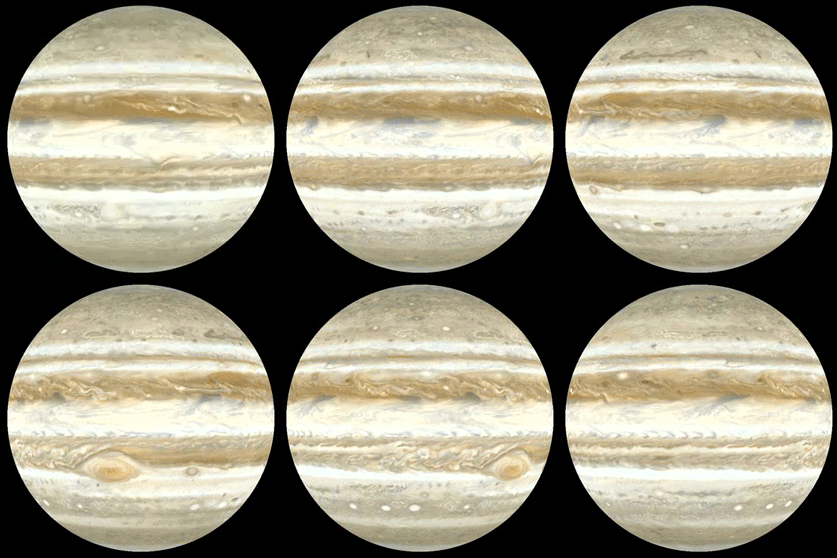
Planet Rotate

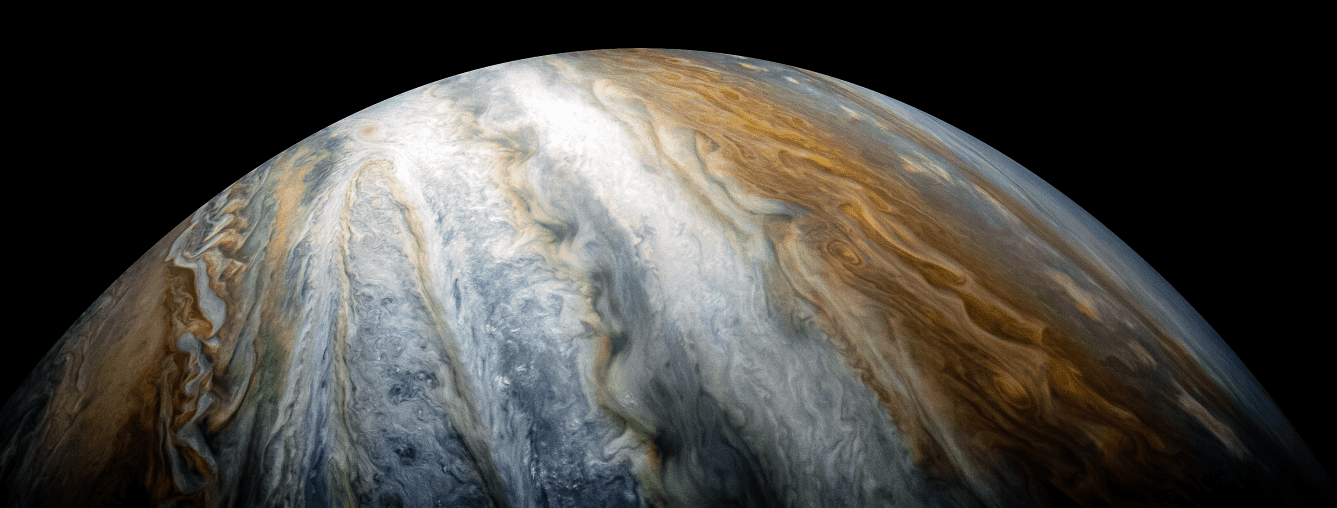
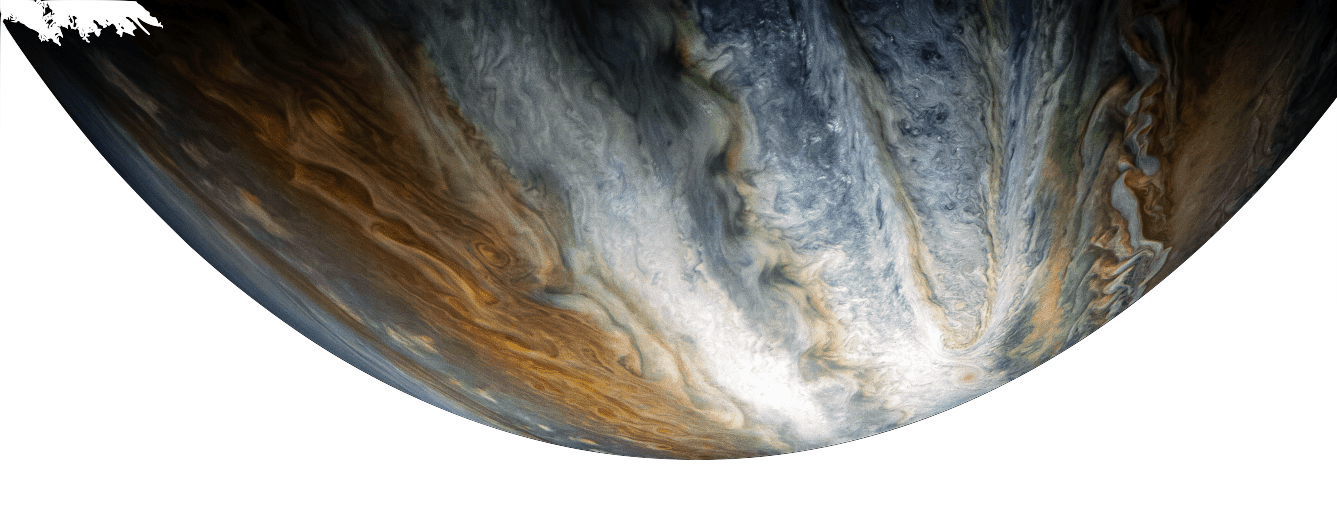
Jupiter is the fifth planet from the Sun and the largest in the Solar System. It is a gas giant with a mass more than two and a half times that of all the other planets in the Solar System combined, and slightly less than one one-thousandth the mass of the Sun. Jupiter orbits the Sun at a distance of 5.20 AU (778.5 Gm) with an orbital period of 11.86 years. Jupiter is the third brightest natural object in the Earth's night sky after the Moon and Venus, and it has been observed since prehistoric times. It was named after Jupiter, the chief deity of ancient Roman religion.

Jupiter was the first planet to form, and its inward migration during the primordial Solar System impacted much of the formation history of the other planets. Jupiter is primarily composed of hydrogen (90% by volume), followed by helium, which makes up a quarter of its mass and a tenth of its volume. The ongoing contraction of Jupiter's interior generates more heat than the planet receives from the Sun. Its internal structure is believed to consist of an outer mantle of fluid metallic hydrogen, and a diffuse inner core of denser material. Because of its rapid rotation rate of 1 rotation per 10 hours, Jupiter's shape is an oblate spheroid: it has a slight but noticeable bulge around the equator.
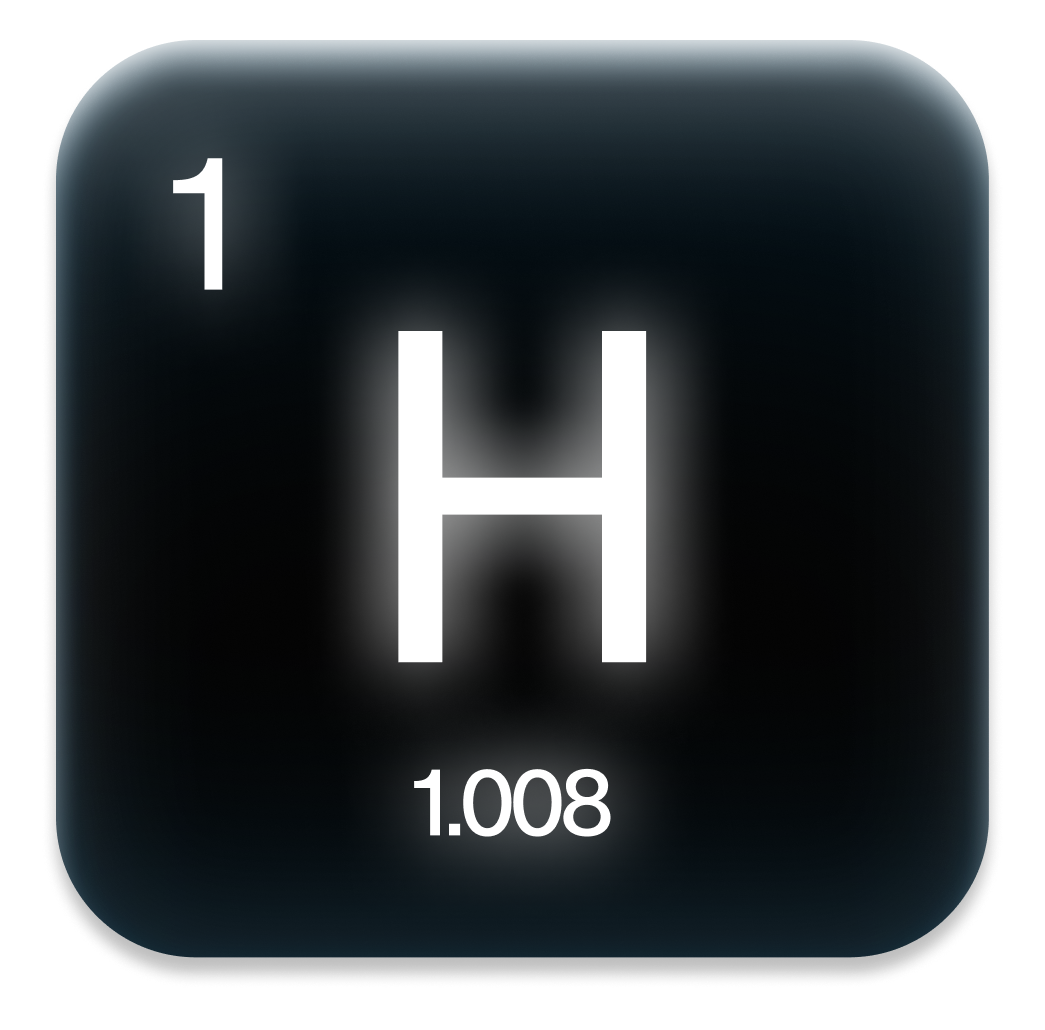
Atmospheric Composition

Helium
Helium (He)
Hydrogen
Hydrogen (H₂)

Mean distance from the Sun

778,412,010 km


Surface Area

64,000,000,000 km²


Mass

1.8987×10²⁷ kg


Volume

1.431×10¹⁵ km³


Mean Surface Temperature

152 K (-121.15ᵒC)


Moons/Natural Satellites

Moon Rotate

Io


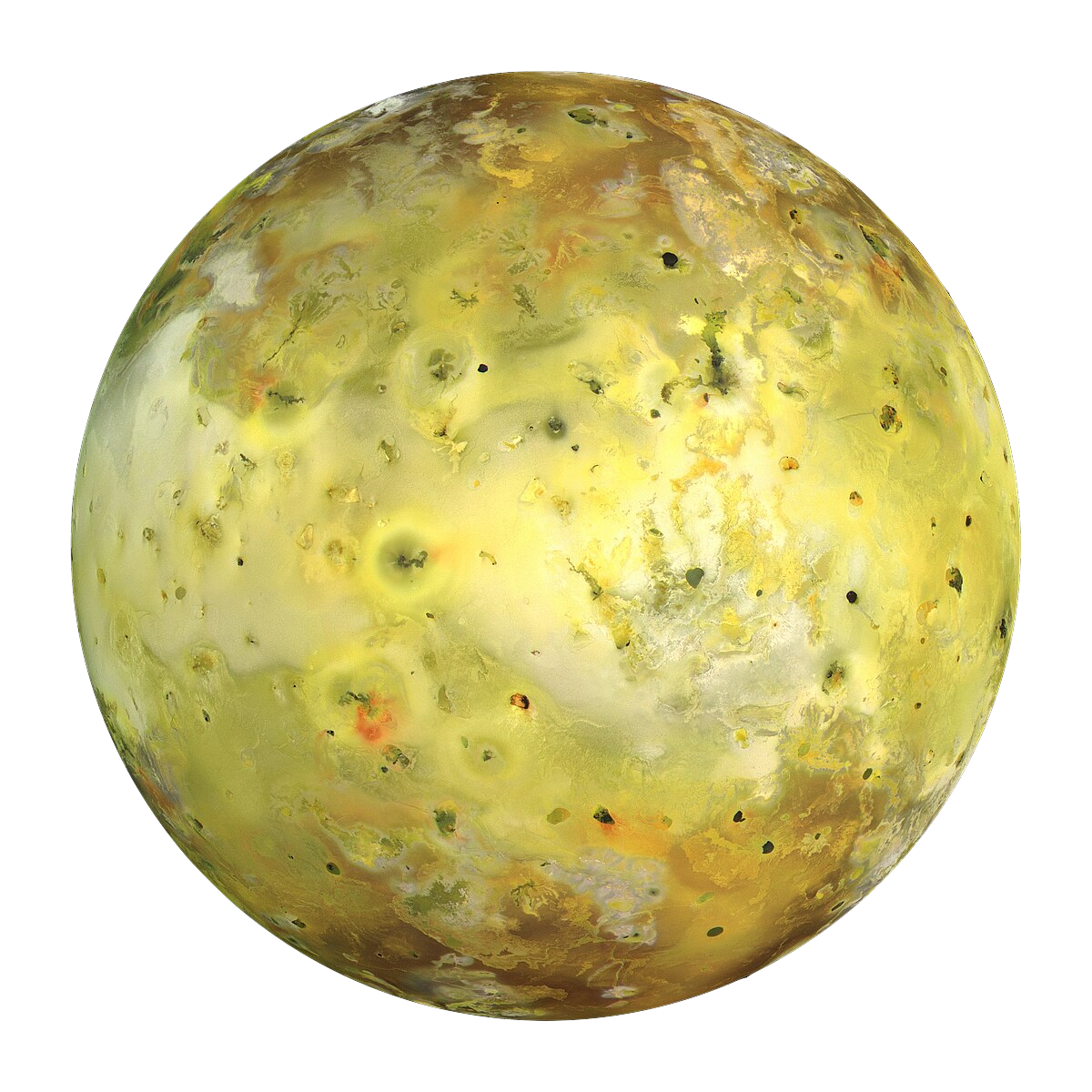
Io, or Jupiter I, is the innermost and second-smallest of the four Galilean moons of the planet Jupiter. Slightly larger than Earth's moon, Io is the fourth-largest moon in the Solar System, has the highest density of any moon, the strongest surface gravity of any moon, and the lowest amount of water by atomic ratio of any known astronomical object in the Solar System. With over 400 active volcanoes, Io is the most geologically active object in the Solar System.

Moon Rotate

Europa


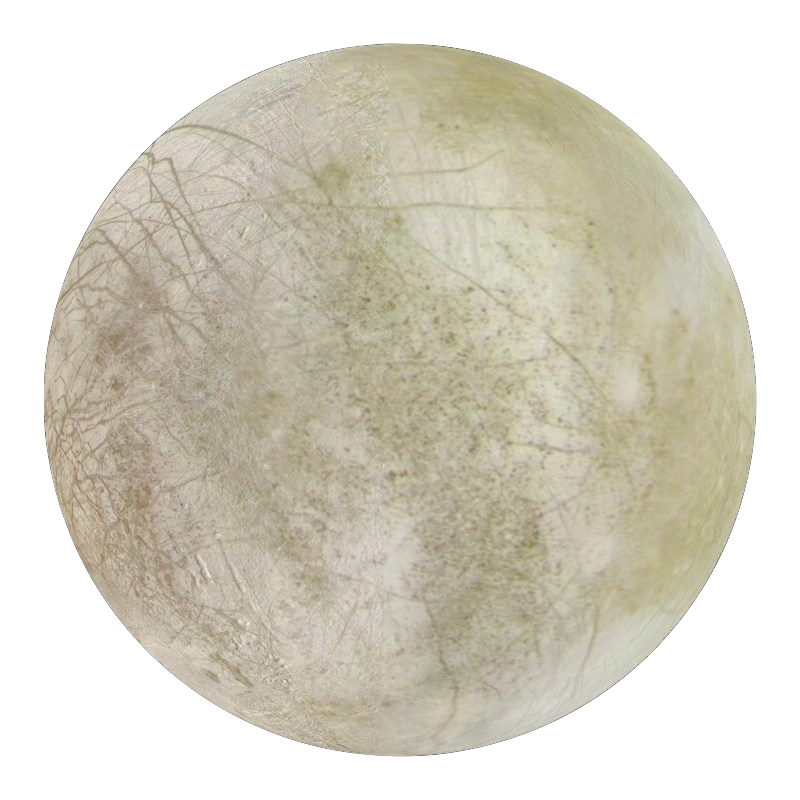
Europa, or Jupiter II, is the smallest of the four Galilean moons orbiting Jupiter, and the sixth-closest to the planet of all the 95 known moons of Jupiter. It is also the sixth-largest moon in the Solar System. Slightly smaller than Earth's Moon, Europa is made of silicate rock and has a water-ice crust and probably an iron–nickel core. It has a very thin atmosphere, composed primarily of oxygen. Its geologically young white-beige surface is striated by light tan cracks and streaks, with very few impact craters.

Moon Rotate

Ganymede


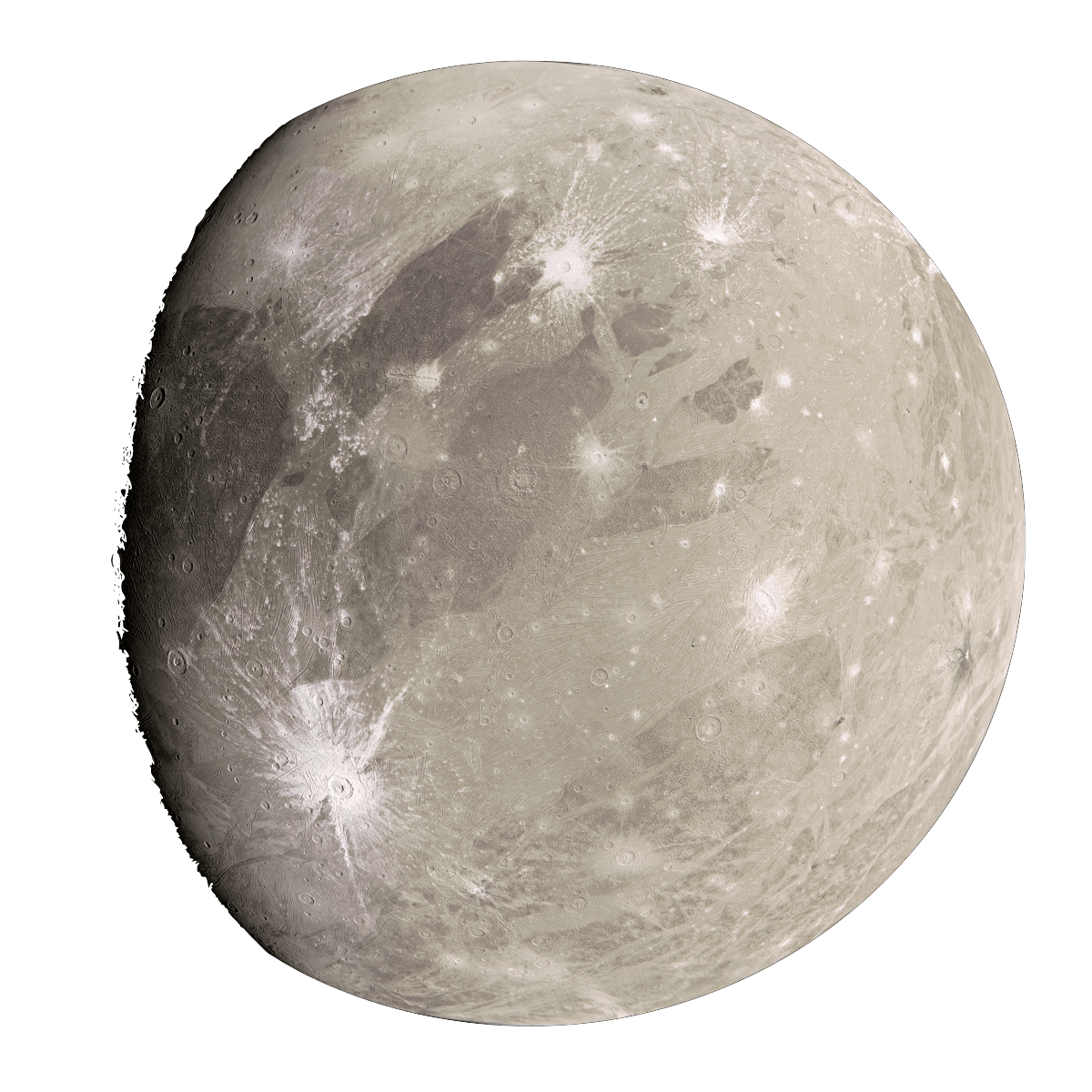
Ganymede, or Jupiter III, is the largest and most massive natural satellite of Jupiter as well as the largest in the Solar System, being a planetary-mass moon. It is the largest Solar System object without a substantial atmosphere, despite being the only moon in the Solar System with a substantial magnetic field. Like Titan, Saturn's largest moon, it is larger than the planet Mercury, but has somewhat less surface gravity than Mercury, Io, or the Moon due to its lower density compared to the three.

Moon Rotate

Callisto


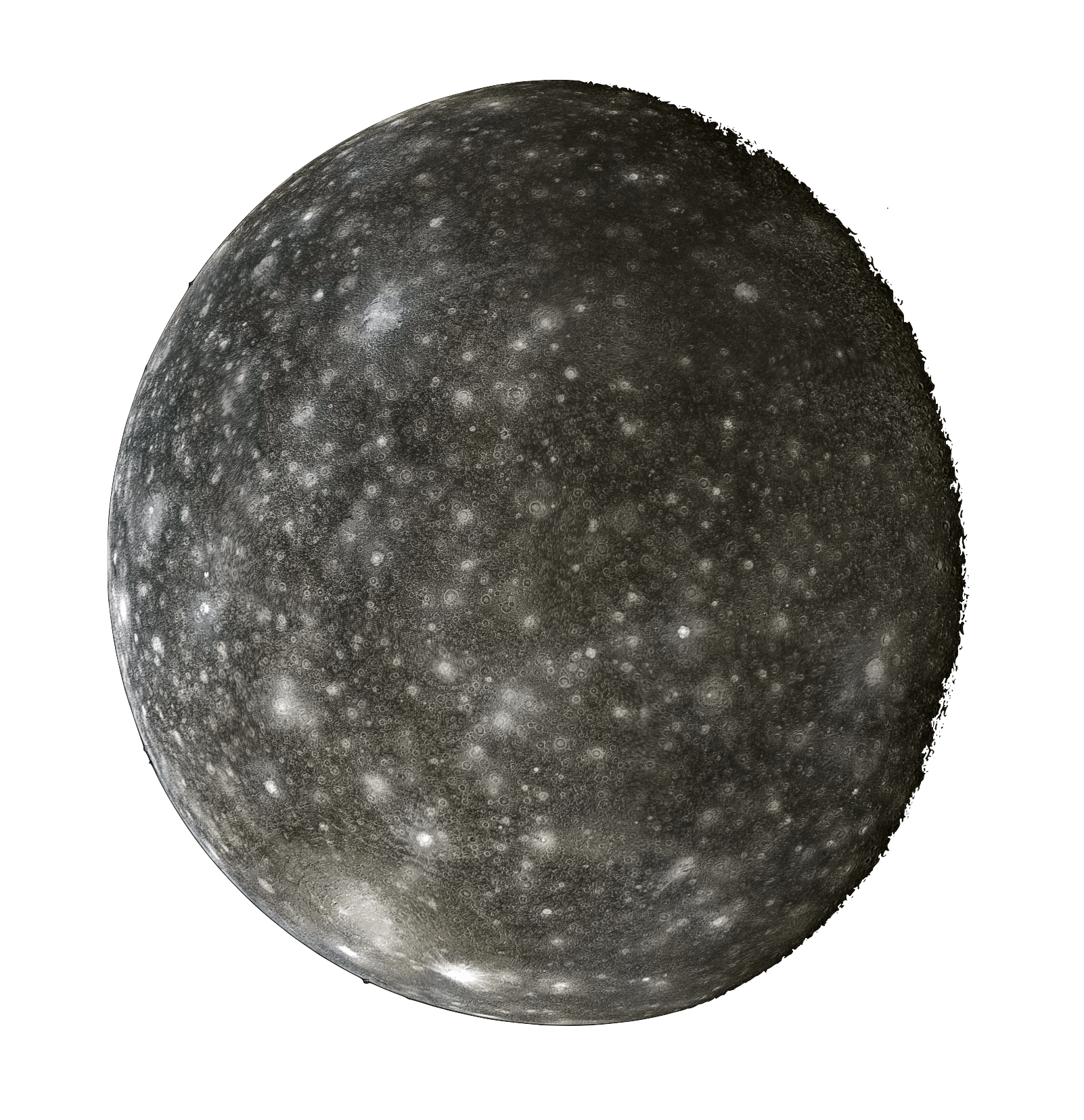
Callisto, or Jupiter IV, is the second-largest moon of Jupiter, after Ganymede. In the Solar System it is the third-largest moon after Ganymede and Saturn's largest moon Titan, and as large as the smallest planet Mercury, though only about a third as massive. Callisto is, with a diameter of 4,821 km, roughly a third larger than Earth's Moon and orbits Jupiter on average at a distance of 1,883,000 km, which is about six times further out than the Moon orbiting Earth. It is the outermost of the four large Galilean moons of Jupiter, which were discovered in 1610 with one of the first telescopes, being visible from Earth with common binoculars.

The other 75 moons of Jupiter

  • Amalthea
  • Himalia
  • Elara
  • Lysithea
  • S/2017 J 1
  • Dia
  • Carpo
  • Ersa
  • Themisto
  • S/2010 J 1 (Eupheme)
  • Orthosie
  • S/2011 J 1
  • S/2003 J 12 (Euporie)
  • S/2010 J 3
  • S/2003 J 16 (Cyllene)
  • S/2017 J 3
  • Eupheme
  • Thyone
  • S/2003 J 18
  • S/2010 J 2
  • Leda
  • S/2011 J 2
  • S/2003 J 3
  • S/2016 J 1
  • S/2017 J 5
  • S/2017 J 6
  • S/2017 J 7
  • S/2017 J 8
  • S/2017 J 9
  • S/2017 J 10
  • S/2017 J 11
  • S/2017 J 12
  • S/2017 J 13
  • S/2017 J 14
  • S/2017 J 15
  • S/2017 J 16
  • S/2017 J 17
  • S/2017 J 18
  • S/2017 J 19
  • S/2017 J 20
  • S/2017 J 21
  • S/2017 J 22
  • S/2017 J 23
  • S/2017 J 24
  • S/2017 J 25
  • S/2017 J 26
  • S/2017 J 27
  • S/2017 J 28
  • S/2017 J 29
  • S/2017 J 30
  • S/2017 J 31
  • S/2017 J 32
  • S/2017 J 33
  • S/2017 J 34
  • S/2017 J 35
  • S/2017 J 36
  • S/2017 J 37
  • S/2017 J 38
  • S/2017 J 39
  • S/2017 J 40
  • S/2017 J 41
  • S/2017 J 42
  • S/2017 J 43
  • S/2017 J 44
  • S/2017 J 45
  • S/2017 J 46
  • S/2017 J 47
  • S/2017 J 48
  • S/2017 J 49
  • S/2017 J 50
  • S/2017 J 51
  • S/2017 J 52
  • S/2017 J 53
  • S/2017 J 54
  • S/2017 J 55


Mercury PNG
Jupiter