
Line Artefact
Mercury PNG
MercuryIcon
Planet Rotate

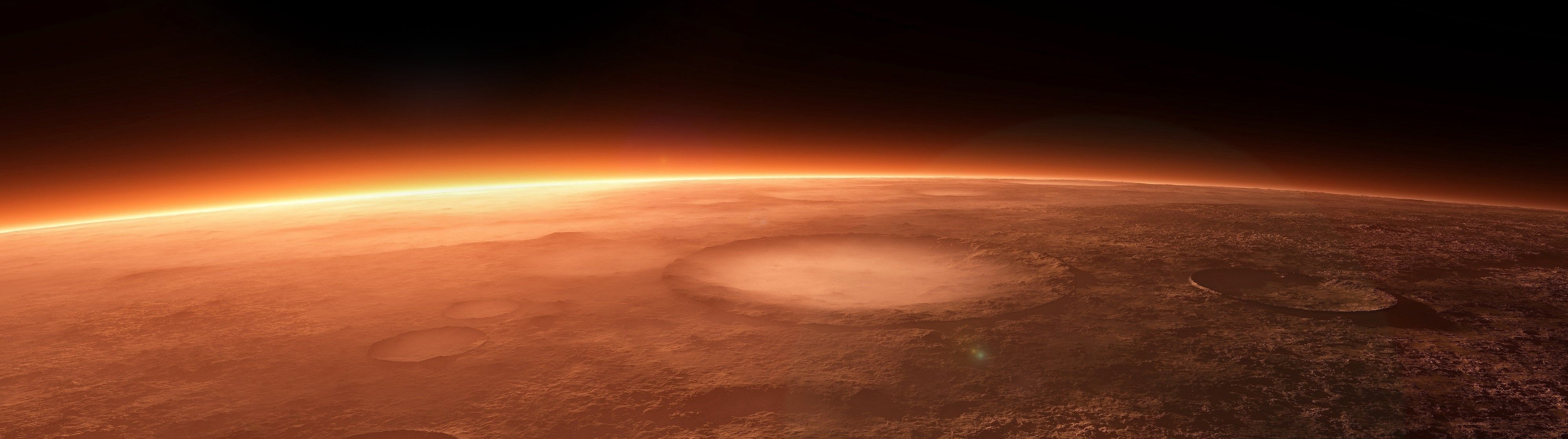
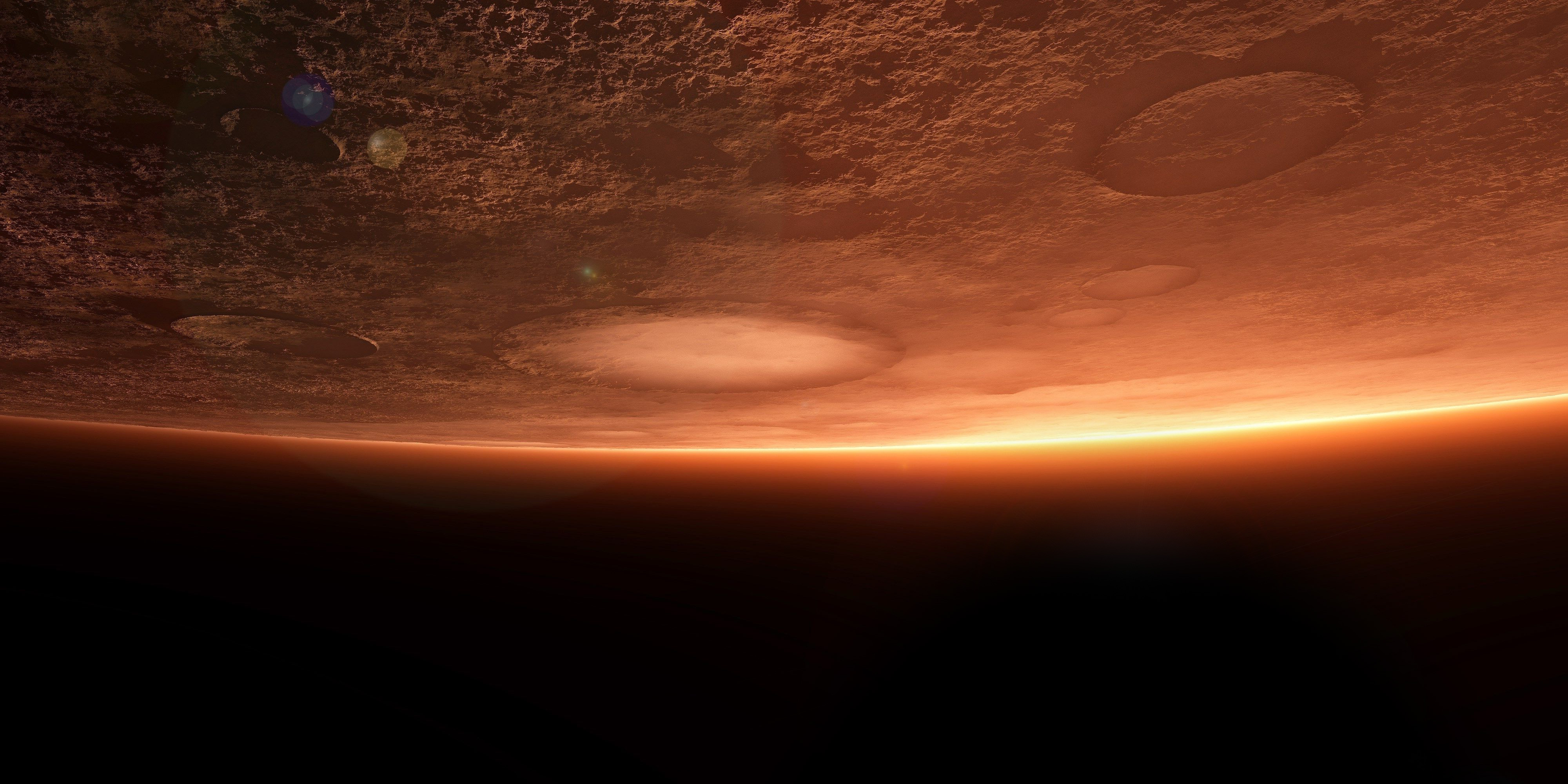
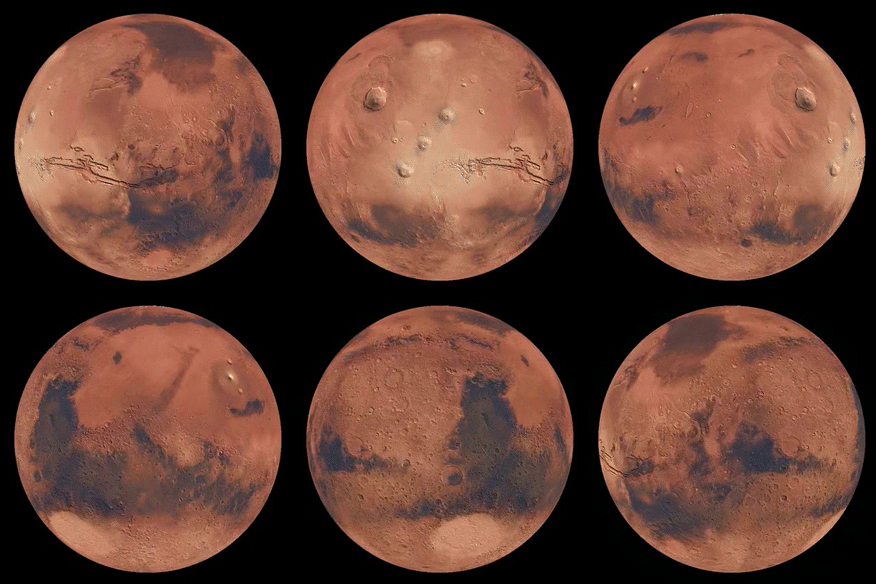
Mars is the fourth planet from the Sun. The surface of Mars is orange-red because it is covered in iron(III) oxide dust, giving it the nickname "the Red Planet". Mars is among the brightest objects in Earth's sky and its high-contrast albedo features have made it a common subject for telescope viewing. It is classified as a terrestrial planet and is the second smallest of the Solar System's planets with a diameter of 6,779 km (4,212 mi). In terms of orbital motion, a Martian solar day (sol) is equal to 24.5 hours and a Martian solar year is equal to 1.88 Earth years (687 Earth days).

Mars was formed approximately 4.5 billion years ago. During the Noachian period (4.5 to 3.5 billion years ago), Mars's surface was marked by meteor impacts, valley formation, erosion, and the possible presence of water oceans. The Hesperian period (3.5 to 3.3–2.9 billion years ago) was dominated by widespread volcanic activity and flooding that carved immense outflow channels.
Atmospheric Composition

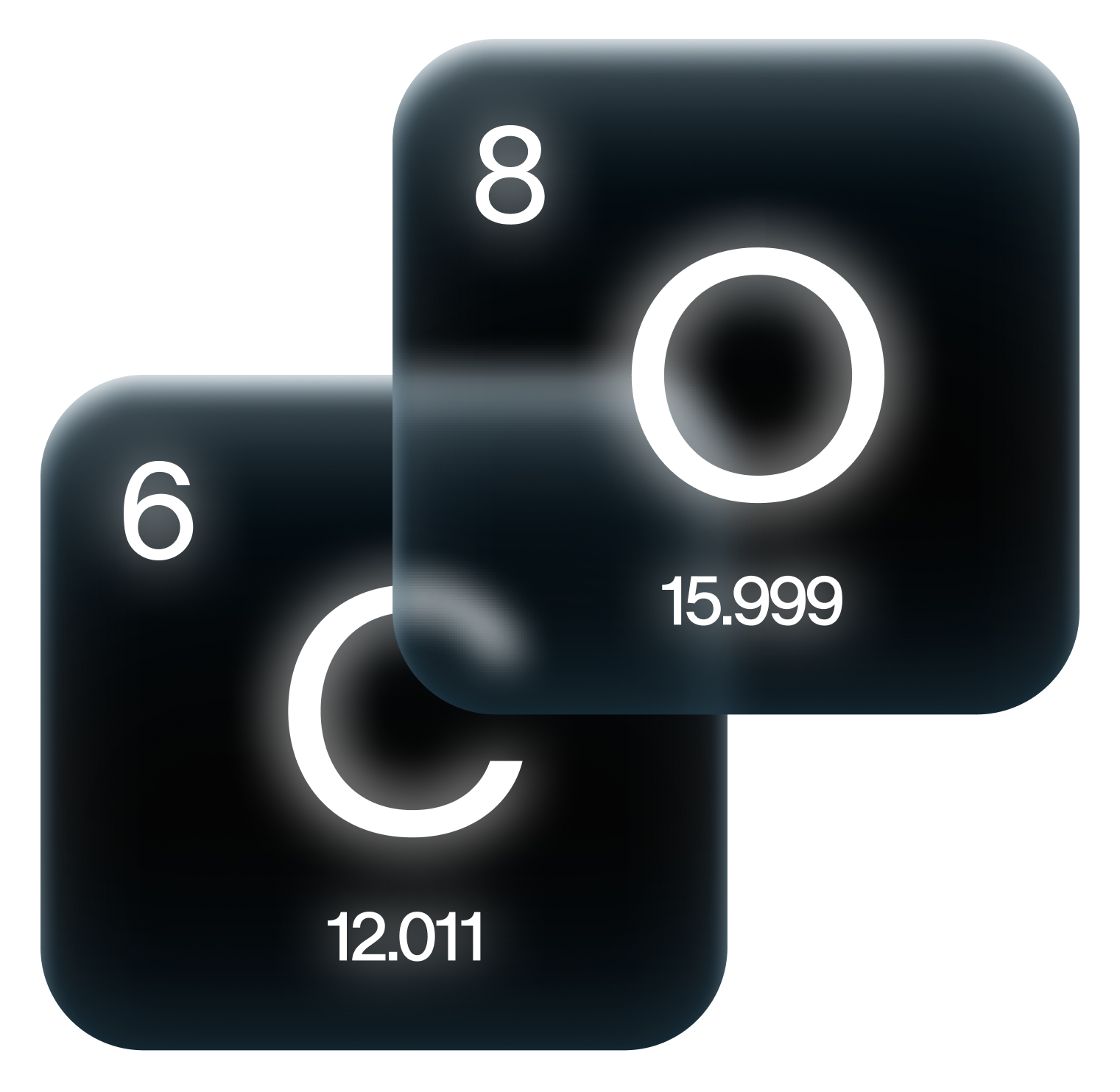
CO2
Carbon Dioxide (CO₂)
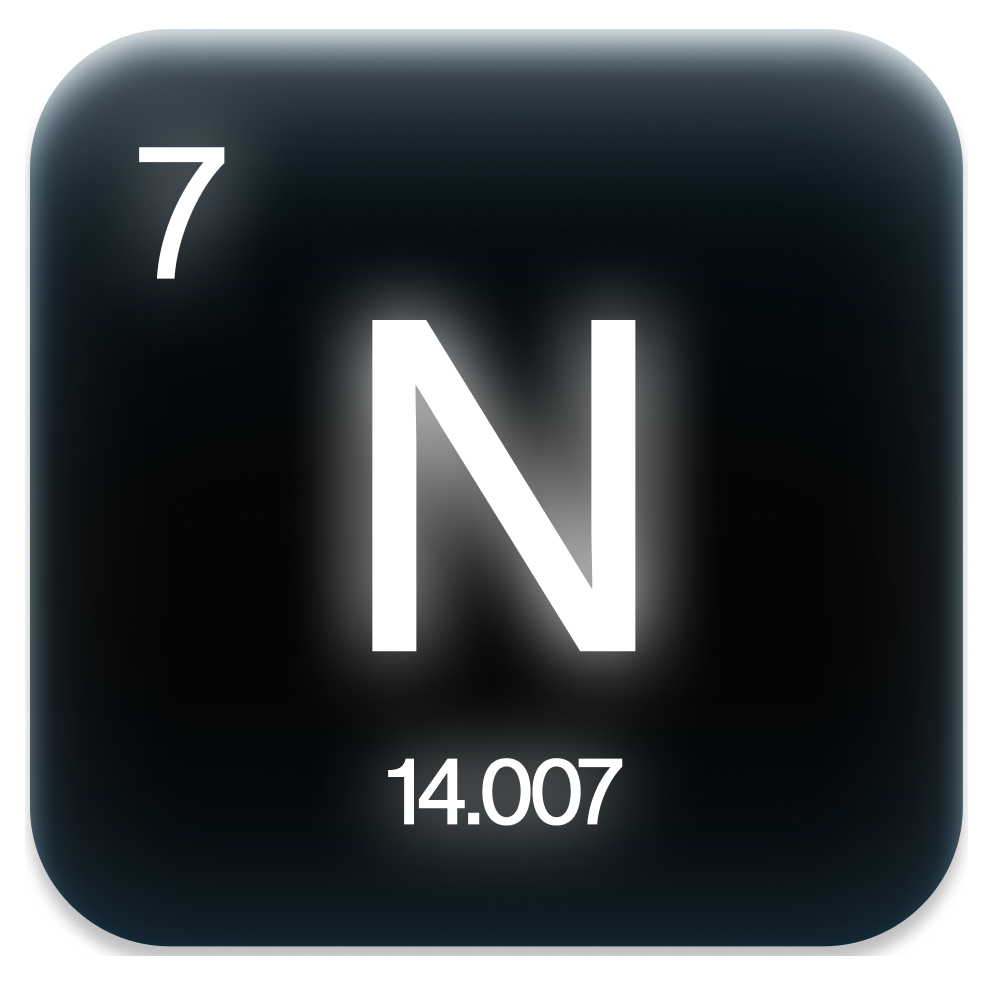
Nitrogen
Nitrogen(N₂)
Argon
Argon (Ar)

Mean distance from the Sun

227,936,640 km


Surface Area

140,000,000 km²


Mass

6.4191×10²³ kg


Volume

1.6318×10¹¹ km³


Mean Surface Temperature

227 K (-46ᵒC)


Moons/Natural Satellites

Moon Rotate

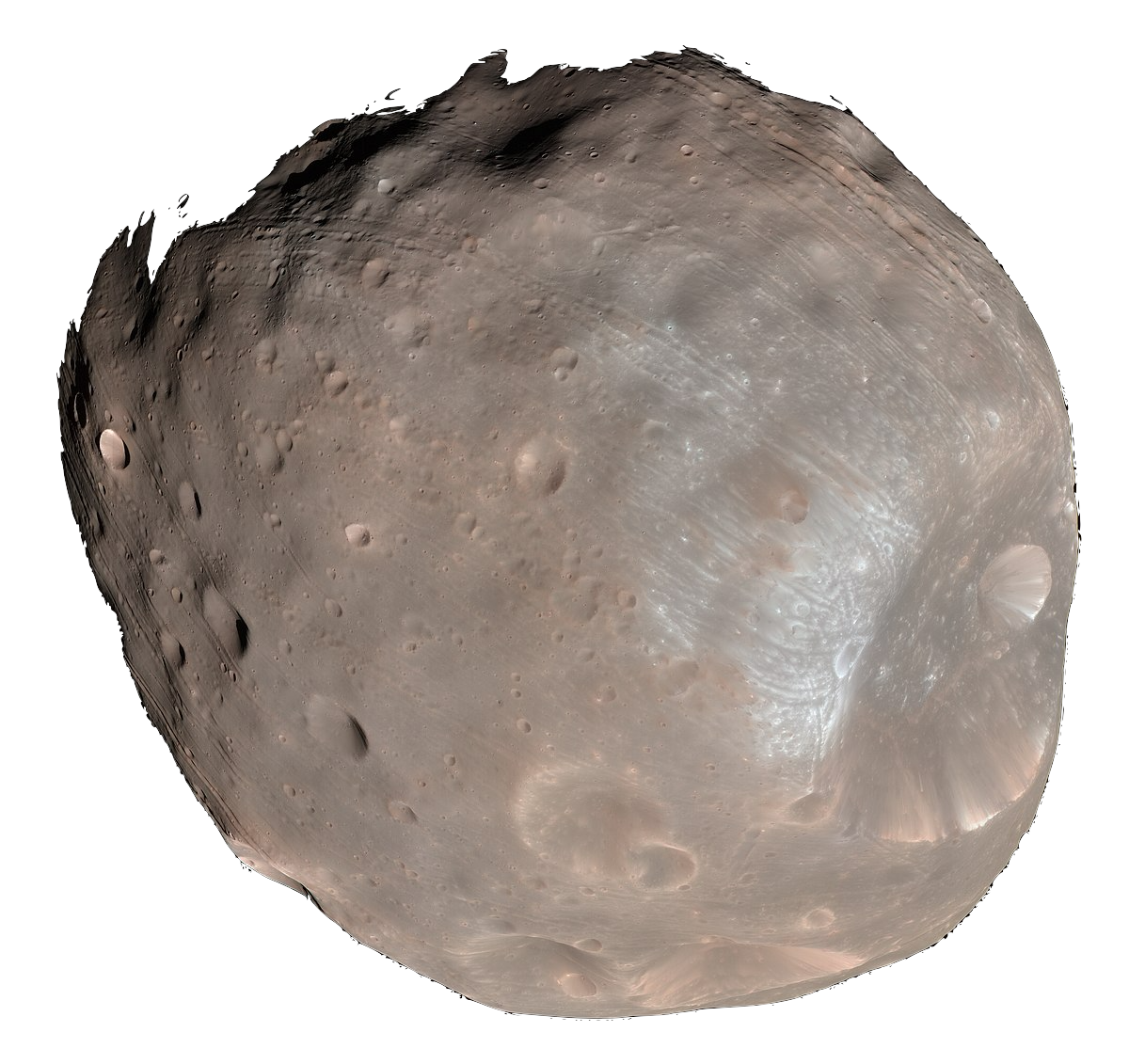
Phobos


Phobos is the innermost and larger of the two natural satellites of Mars, the other being Deimos. Phobos is a small, irregularly shaped object with a mean radius of 11 km (7 mi). Phobos orbits 6,000 km (3,700 mi) from the Martian surface, closer to its primary body than any other known natural satellite to a planet. It orbits Mars much faster than Mars rotates and completes an orbit in just 7 hours and 39 minutes.

Moon Rotate

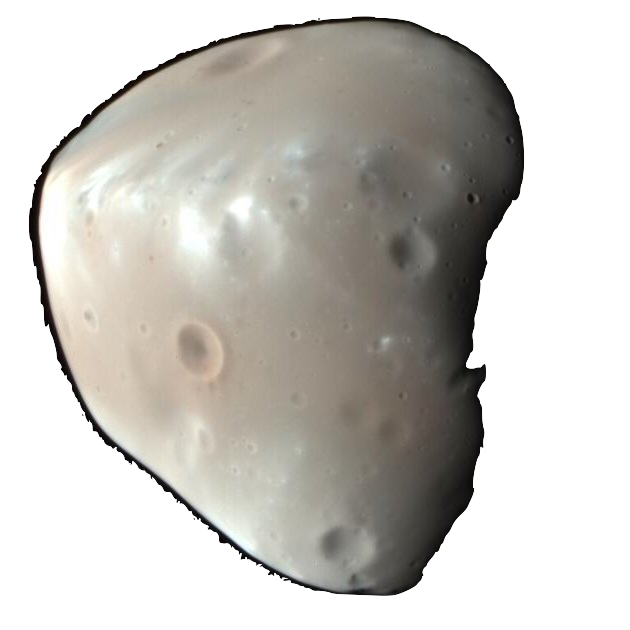
Deimos


Deimos /ˈdaɪməs/ (systematic designation: Mars II)[10] is the smaller and outer of the two natural satellites of Mars, the other being Phobos. Deimos has a mean radius of 6.2 km (3.9 mi) and takes 30.3 hours to orbit Mars. Deimos is 23,460 km (14,580 mi) from Mars, much farther than Mars's other moon, Phobos. Like most bodies of its size, Deimos is highly non-spherical with triaxial dimensions of 16.1 km × 11.8 km × 10.2 km (10.0 mi × 7.3 mi × 6.3 mi), corresponding to a mean diameter of 12.5 km (7.8 mi) which makes it about 57% the size of Phobos.

Mercury PNG
Mars