
Line Artefact
Mercury PNG
MercuryIcon
Planet Rotate

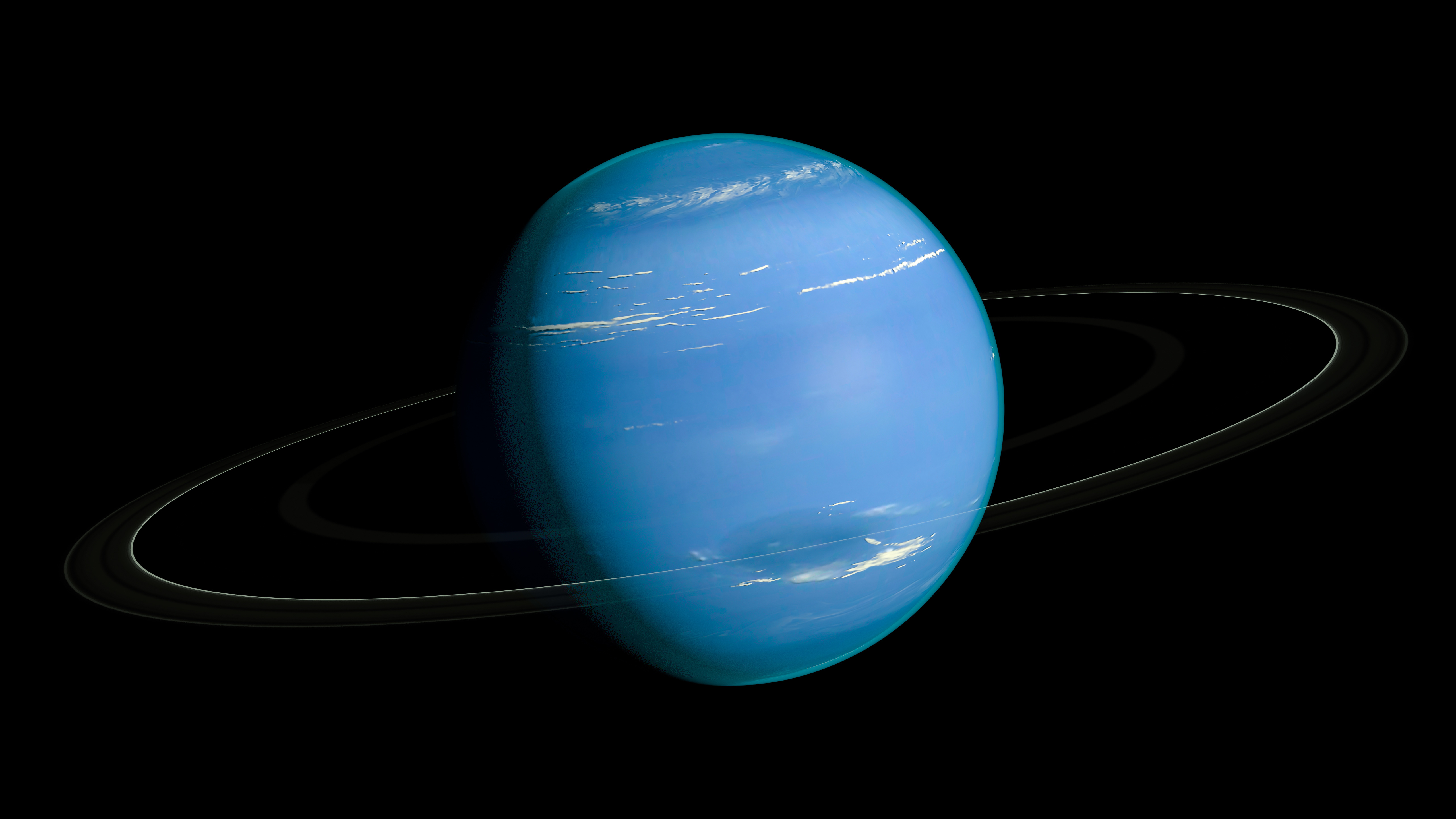
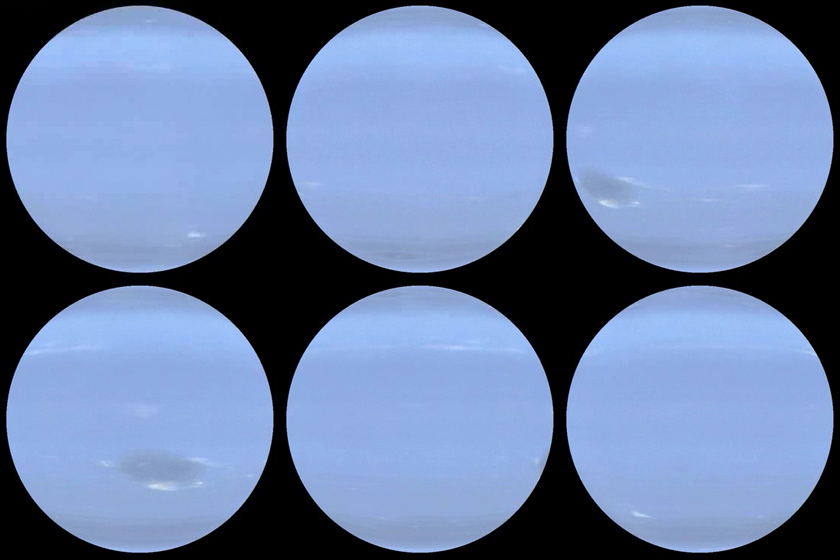
Neptune is the eighth and farthest known planet from the Sun. It is the fourth-largest planet in the Solar System by diameter, the third-most-massive planet, and the densest giant planet. It is 17 times the mass of Earth, and slightly more massive than fellow ice giant Uranus. Neptune is denser and physically smaller than Uranus because its greater mass causes more gravitational compression of its atmosphere. Being composed primarily of gases and liquids, it has no well-defined solid surface. The planet orbits the Sun once every 164.8 years at an orbital distance of 30.1 astronomical units (4.5 billion kilometres; 2.8 billion miles).

In contrast to the strongly seasonal atmosphere of Uranus, which can be featureless for long periods of time, Neptune's atmosphere has active and consistently visible weather patterns. At the time of the Voyager 2 flyby in 1989, the planet's southern hemisphere had a Great Dark Spot comparable to the Great Red Spot on Jupiter. In 2018, a newer main dark spot and smaller dark spot were identified and studied. These weather patterns are driven by the strongest sustained winds of any planet in the Solar System, as high as 2,100 km/h (580 m/s; 1,300 mph).
Atmospheric Composition

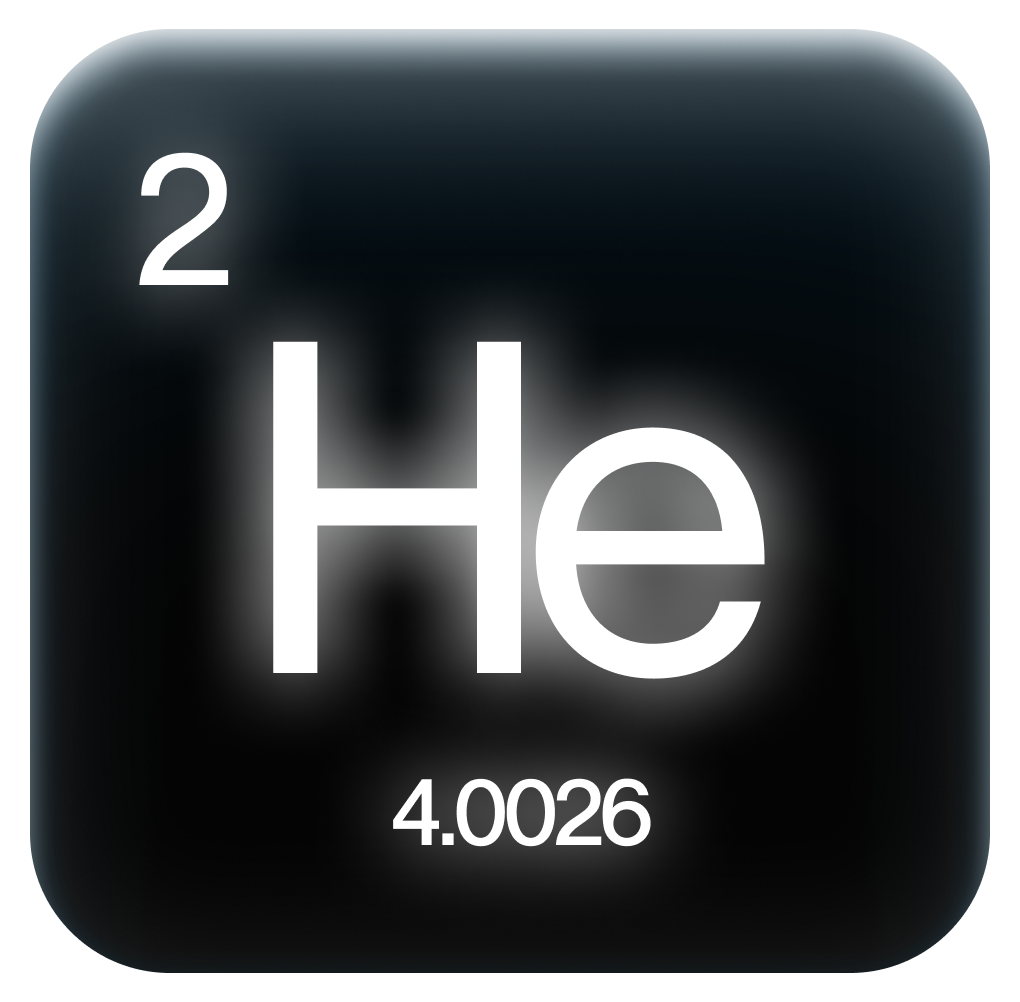
Helium
Helium (He)
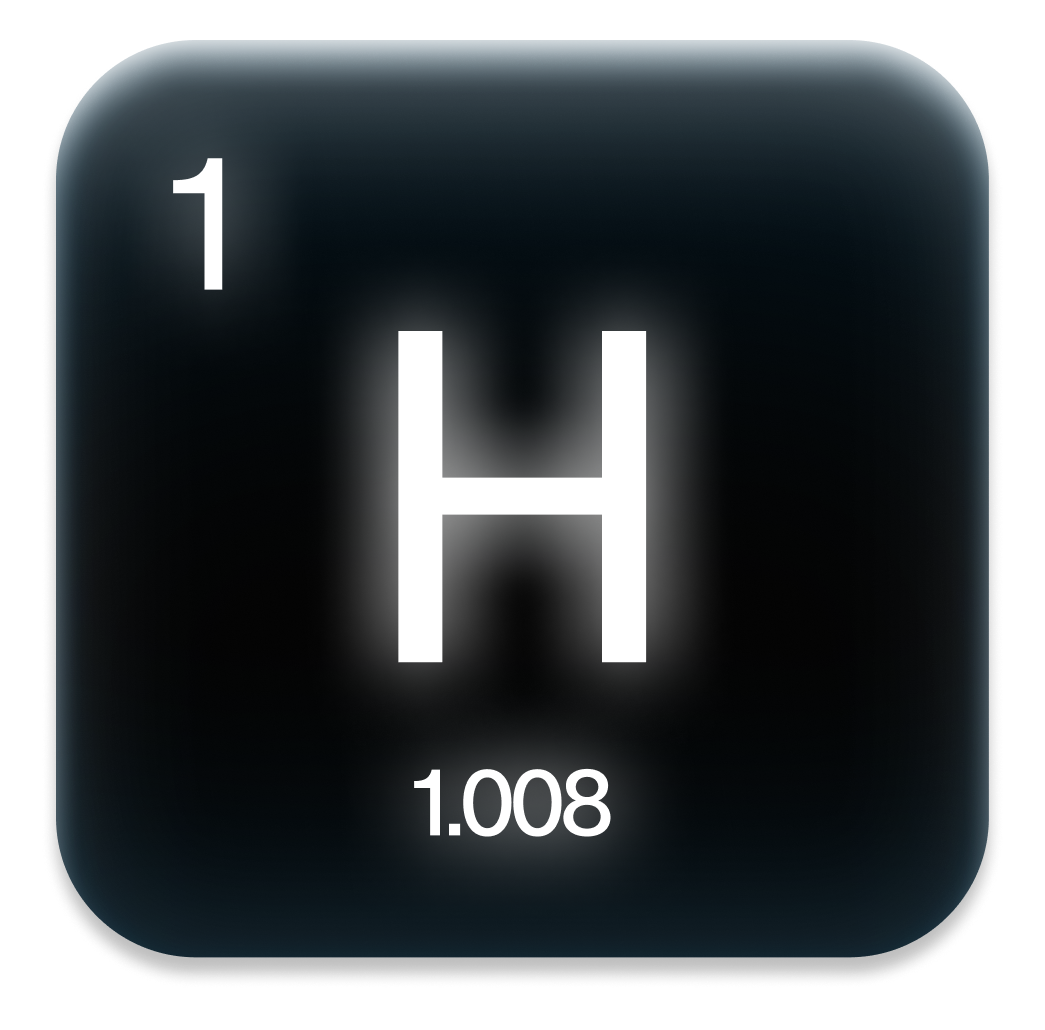
Hydrogen
Hydrogen (H₂)
Methane
Methane (CH₄)

Mean distance from the Sun

4,498,252,900 km


Surface Area

7,700,000,000 km²


Mass

1.0244×10²⁶ kg


Volume

6.254×10¹³ km³


Mean Surface Temperature

73 K (-200.15ᵒC)


Moons/Natural Satellites

Moon Rotate

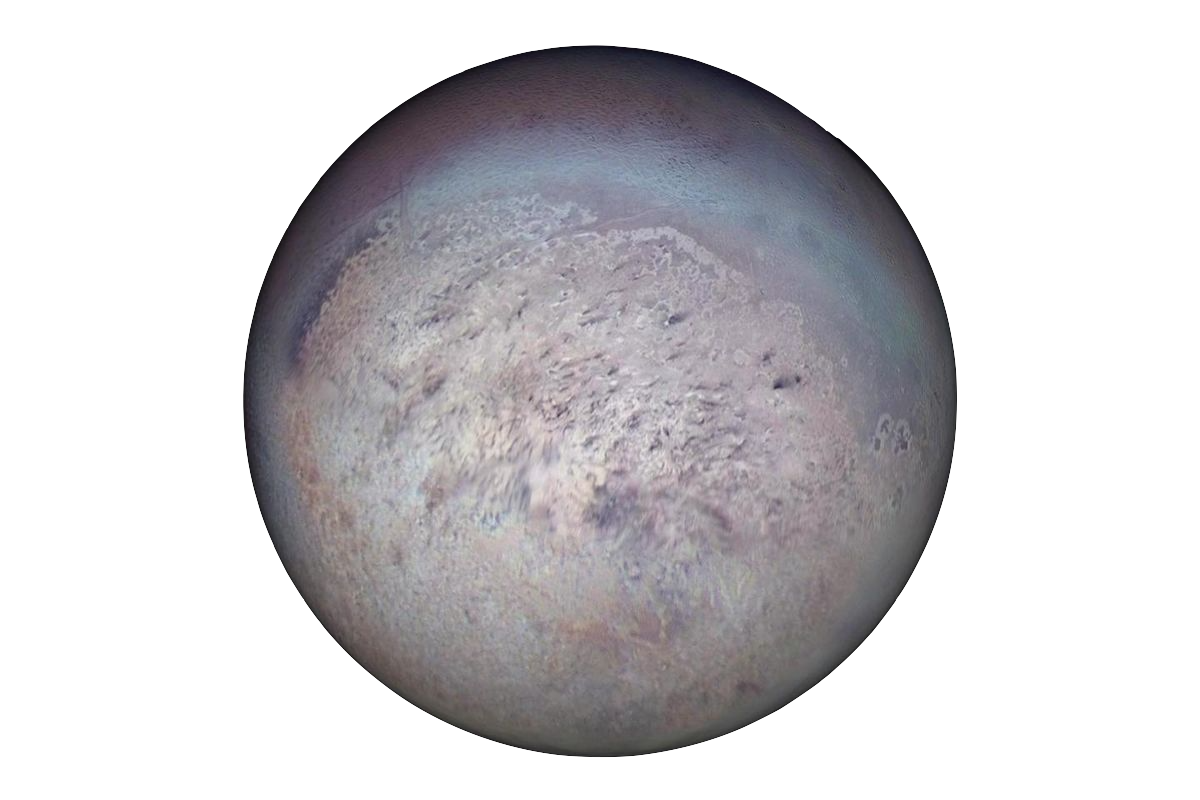
Triton


Triton is the largest natural satellite of the planet Neptune, and was the first Neptunian moon to be discovered, on October 10, 1846, by English astronomer William Lassell. It is the only large moon in the Solar System with a retrograde orbit, an orbit in the direction opposite to its planet's rotation. Because of its retrograde orbit and composition similar to Pluto, Triton is thought to have been a dwarf planet, captured from the Kuiper belt. At 2,710 kilometers (1,680 mi) in diameter, it is the seventh-largest moon in the Solar System, the only satellite of Neptune massive enough to be in hydrostatic equilibrium, the second-largest planetary moon in relation to its primary (after Earth's Moon), and larger than Pluto. Triton is one of the few moons in the Solar System known to be geologically active as well as suspected to contain an internal, active layer of liquid ocean, similar to the aforementioned moons.

The other 15 moons of Neptune

  • Nereid
  • Proteus
  • Larissa
  • Galatea
  • Despina
  • Thalassa
  • Naiad
  • Halimede
  • Sao
  • Laomedeia
  • Psamathe
  • Neso
  • Hippocamp
  • S/2021 N 1
  • S/2002 N 5


Mercury PNG
Neptune