
Line Artefact
Mercury PNG
MercuryIcon
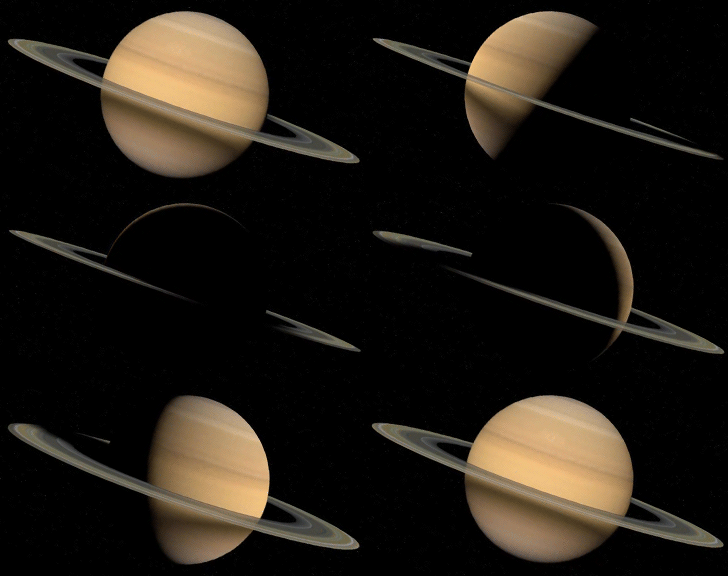
Planet Rotate

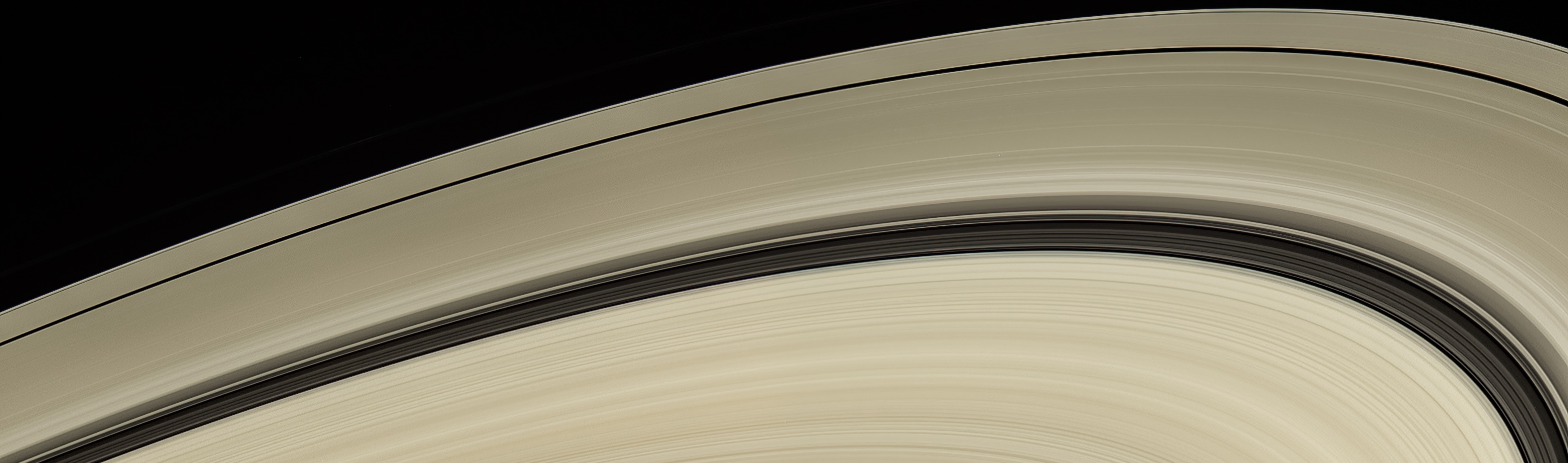
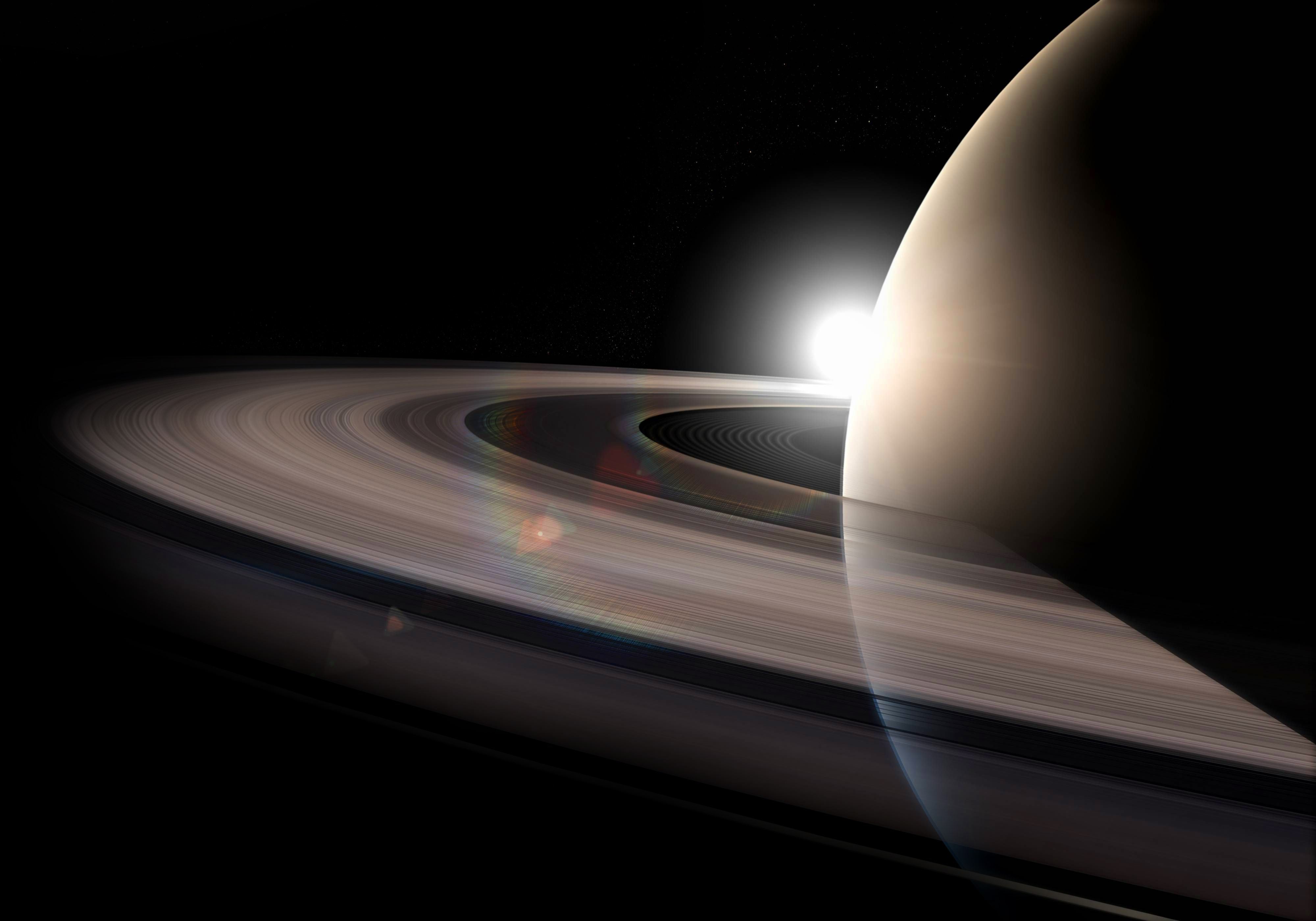
Saturn is the sixth planet from the Sun and the second-largest in the Solar System, after Jupiter. It is a gas giant with an average radius of about nine-and-a-half times that of Earth. It has only one-eighth the average density of Earth, but is over 95 times more massive. Even though Saturn is nearly the size of Jupiter, Saturn has less than one-third of Jupiter's mass. Saturn orbits the Sun at a distance of 9.59 AU (1,434 million km) with an orbital period of 29.45 years.

Saturn's interior is thought to be composed of a rocky core, surrounded by a deep layer of metallic hydrogen, an intermediate layer of liquid hydrogen and liquid helium, and finally, a gaseous outer layer. Saturn has a pale yellow hue due to ammonia crystals in its upper atmosphere. An electrical current within the metallic hydrogen layer is thought to give rise to Saturn's planetary magnetic field, which is weaker than Earth's, but which has a magnetic moment 580 times that of Earth due to Saturn's larger size. Saturn's magnetic field strength is around one-twentieth of Jupiter's. The outer atmosphere is generally bland and lacking in contrast, although long-lived features can appear. Wind speeds on Saturn can reach 1,800 kilometres per hour (1,100 miles per hour).
Atmospheric Composition

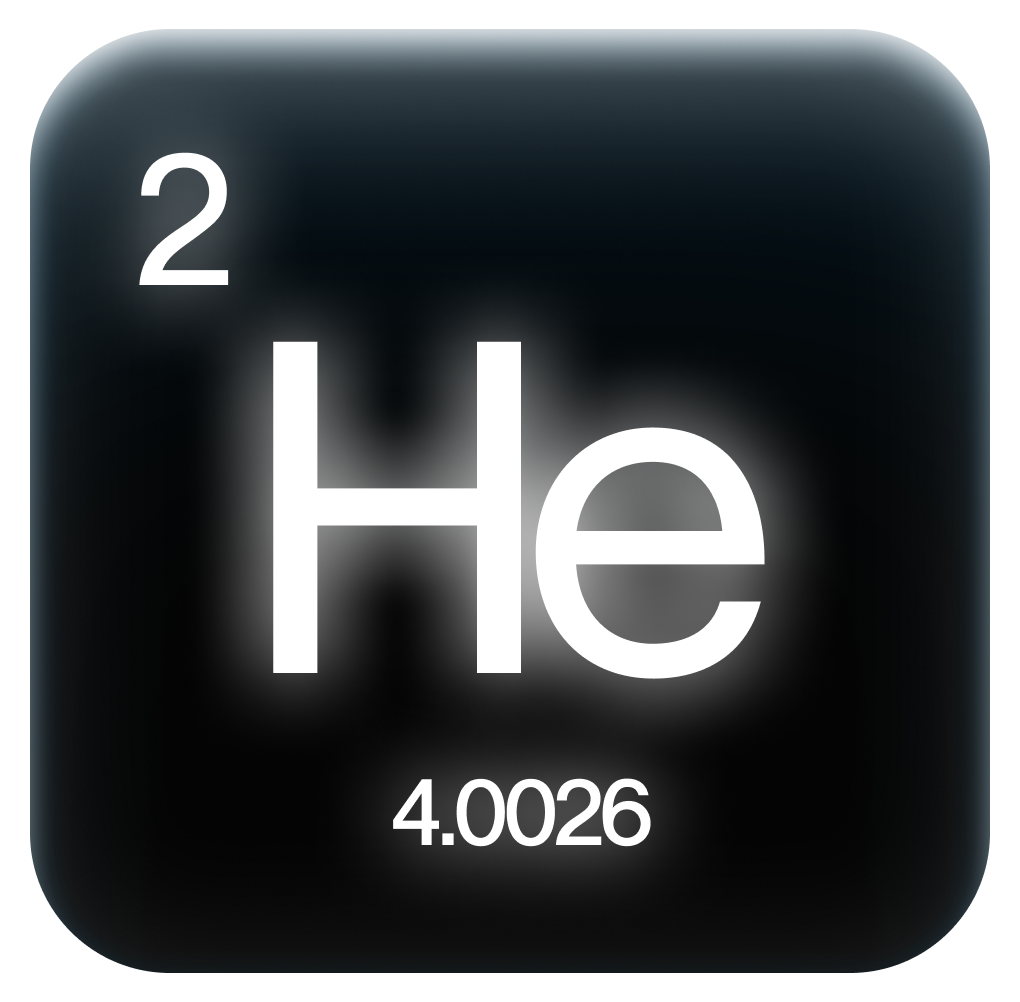
Helium
Helium (He)
Hydrogen
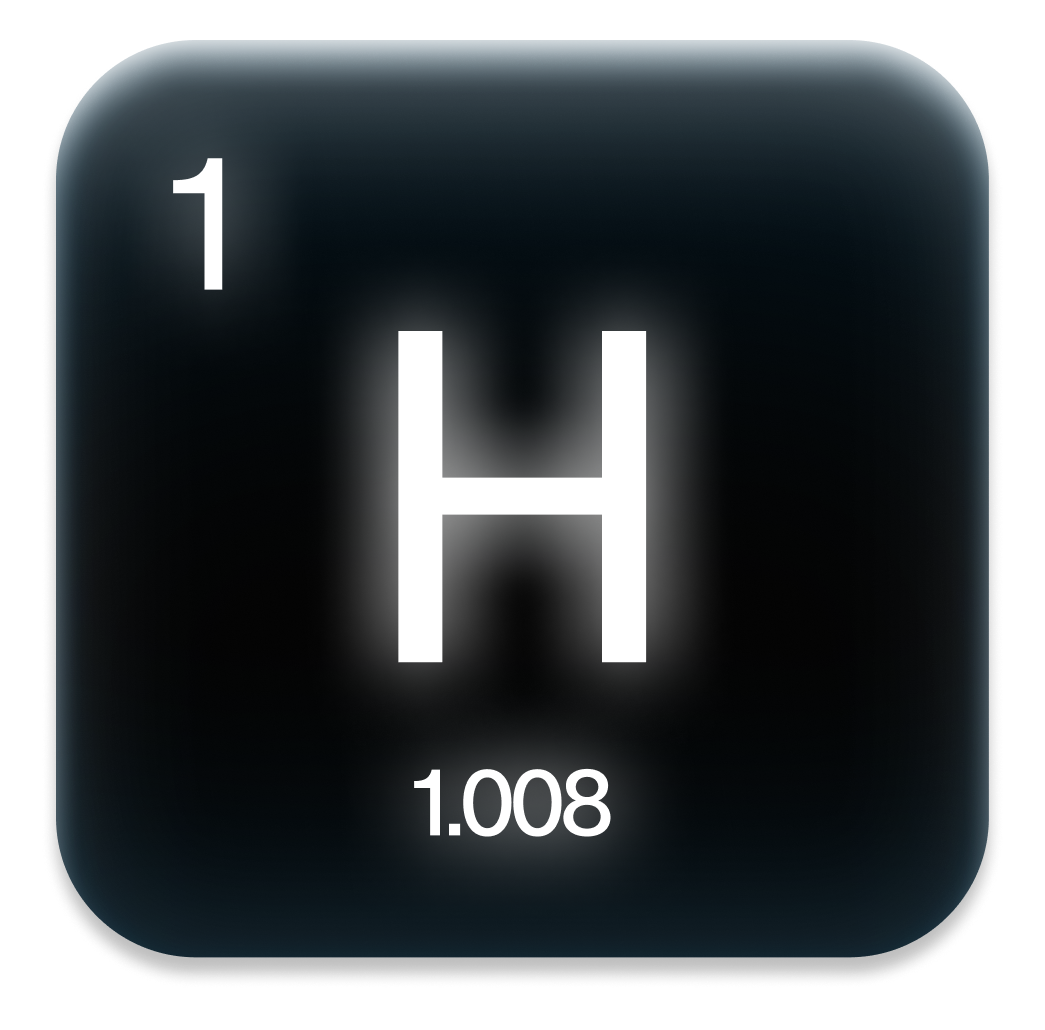
Hydrogen (H₂)

Mean distance from the Sun

778,412,010 km


Surface Area

64,000,000,000 km²


Mass

1.8987×10²⁷ kg


Volume

1.431×10¹⁵ km³


Mean Surface Temperature

152 K (-121.15ᵒC)


Moons/Natural Satellites

Moon Rotate

Titan


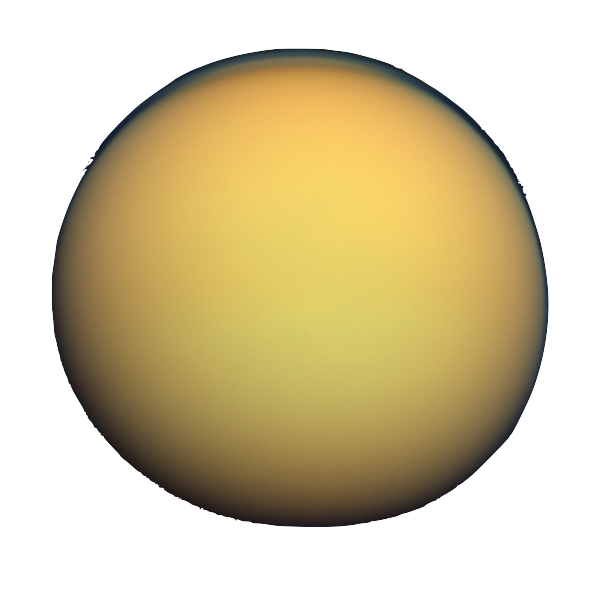
Titan is the largest moon of Saturn and the second-largest in the Solar System, larger than any of the dwarf planets of the Solar System. It is the only moon known to have a dense atmosphere, and is the only known object in space other than Earth on which clear evidence of stable bodies of surface liquid has been found. Titan is one of the seven gravitationally rounded moons in orbit around Saturn, and the second most distant from Saturn of those seven. Frequently described as a planet-like moon, Titan is 50% larger (in diameter) than Earth's Moon and 80% more massive.

Moon Rotate

Rhea


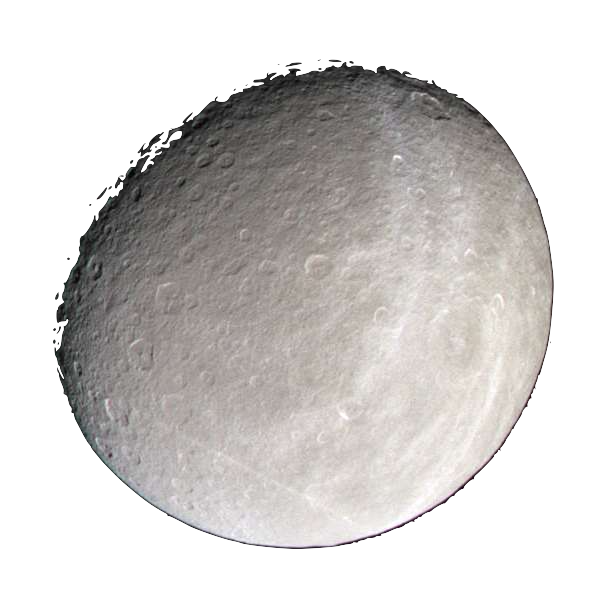
Rhea is the second-largest moon of Saturn and the ninth-largest moon in the Solar System, with a surface area that is comparable to the area of Australia. It is the smallest body in the Solar System for which precise measurements have confirmed a shape consistent with hydrostatic equilibrium. Rhea is an icy body with a density of about 1.236 g/cm3. This low density indicates that it is made of ~25% rock (density ~3.25 g/cm3) and ~75% water ice (density ~0.93 g/cm3). Although Rhea is the ninth-largest moon, it is only the tenth-most massive moon.

Moon Rotate

Iapetus


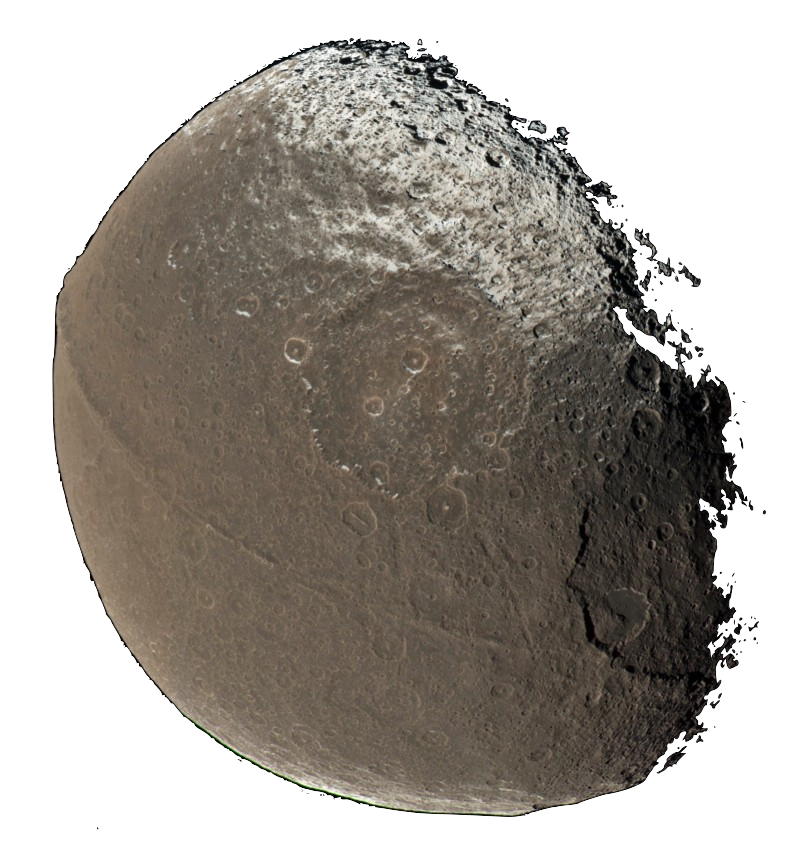
Iapetus is the outermost of Saturn's large moons. With an estimated diameter of 1,469 km, it is the third-largest moon of Saturn and the eleventh-largest in the Solar System. A relatively low-density body made up mostly of ice, Iapetus is home to several distinctive and unusual features, such as a striking difference in coloration between its leading hemisphere, which is dark, and its trailing hemisphere, which is bright, as well as a massive equatorial ridge running three-quarters of the way around the moon.

Moon Rotate

Dione


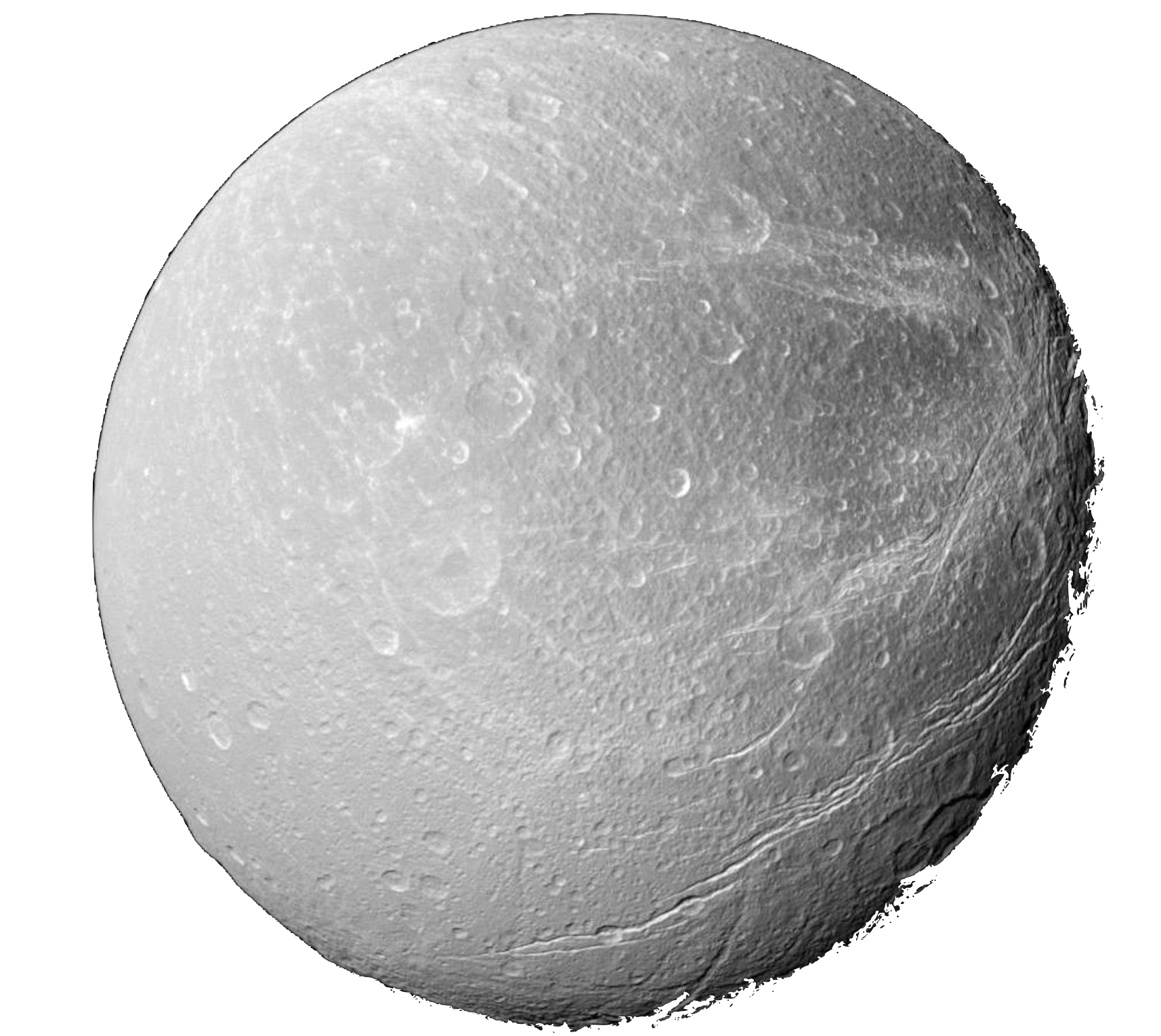
Dione, also designated Saturn IV, is the fourth-largest moon of Saturn. Its trailing hemisphere is marked by large ice cliffs called chasmata and is also darkened compared to the leading hemisphere. Based on its density, Dione’s interior is likely a combination of silicate rock and water ice in nearly equal parts by mass. Dione orbits Saturn with a semimajor axis about 2% less than that of the Moon. However, reflecting Saturn's greater mass (95 times that of Earth), Dione's orbital period is one tenth that of the Moon.

Moon Rotate

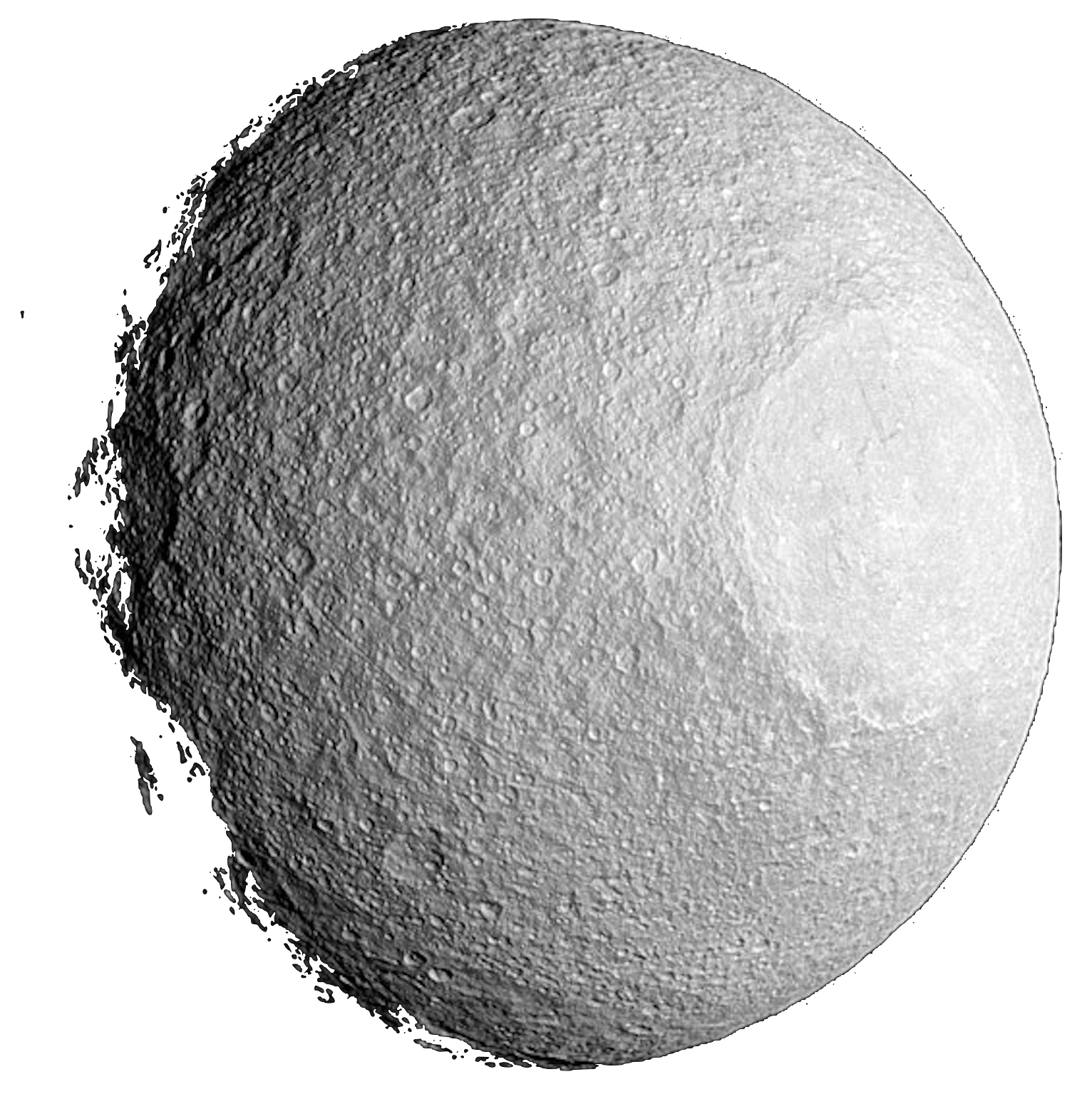
Tethys


Tethys, or Saturn III, is a fifth largest moon of Saturn about 1,060 km (660 mi) across. Tethys has a low density of 0.98 g/cm3, the lowest of all the major moons in the Solar System, indicating that it is made of water ice with just a small fraction of rock. This is confirmed by the spectroscopy of its surface, which identified water ice as the dominant surface material. A small amount of an unidentified dark material is present as well. The surface of Tethys is very bright, being the second-brightest of the moons of Saturn after Enceladus, and neutral in color.

Moon Rotate

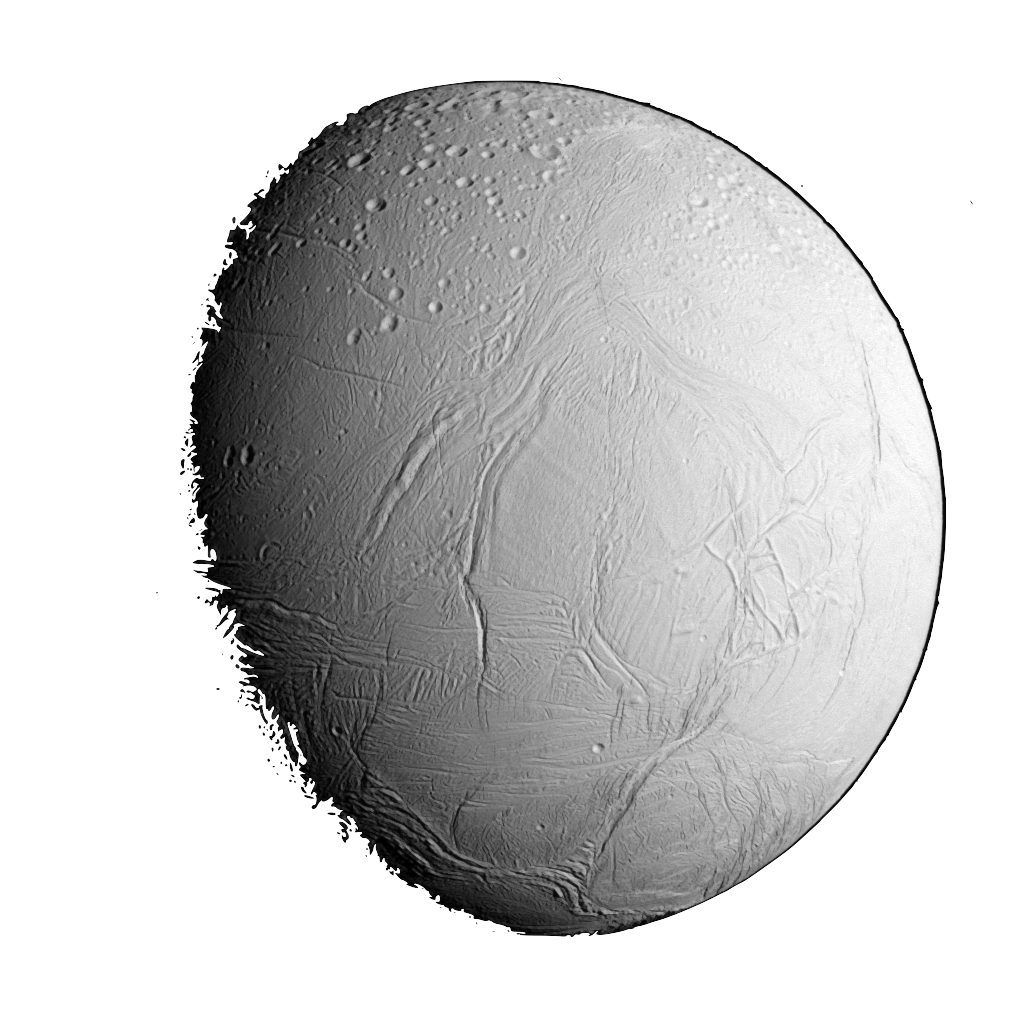
Enceladus


Enceladus is the sixth-largest moon of Saturn (19th largest in the Solar System). It is about 500 kilometers (310 miles) in diameter, about a tenth of that of Saturn's largest moon, Titan. It is mostly covered by fresh, clean ice, making it one of the most reflective bodies of the Solar System. Consequently, its surface temperature at noon reaches only −198 °C (75.1 K; −324.4 °F), far colder than a light-absorbing body would be. Despite its small size, Enceladus has a wide variety of surface features, ranging from old, heavily cratered regions to young, tectonically deformed terrain.

Moon Rotate

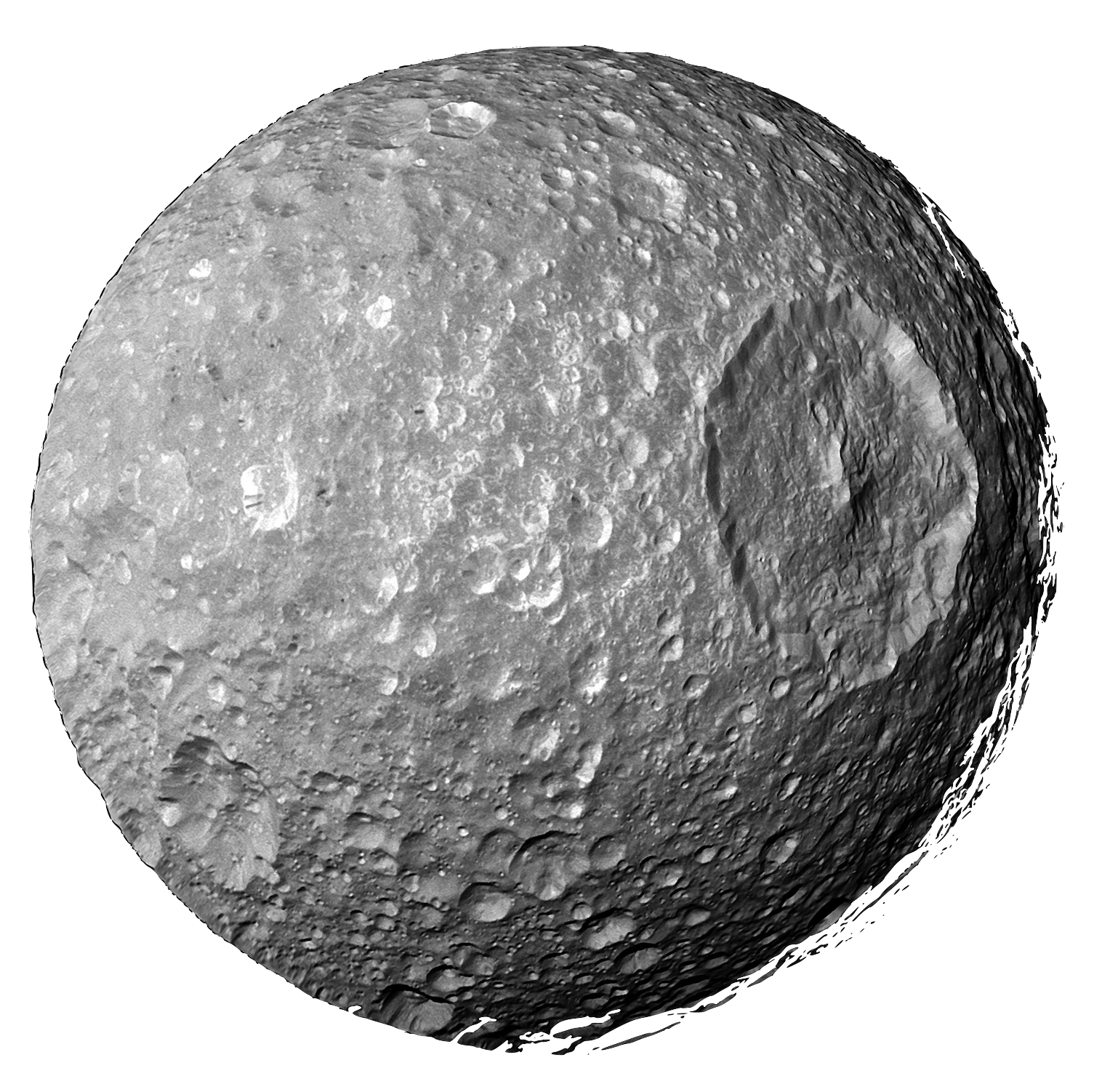
Mimas


Mimas, also designated Saturn I, is a natural satellite of Saturn. With a mean diameter of 396.4 kilometres or 246.3 miles, Mimas is the smallest astronomical body known to be roughly rounded in shape due to its own gravity. Mimas's low density, 1.15 g/cm3, indicates that it is composed mostly of water ice with only a small amount of rock, and study of Mimas's motion confirmed that it has a liquid ocean beneath its surface ice. The surface of Mimas is heavily cratered and shows little signs of recent geological activity. A notable feature of Mimas' surface is Herschel, one of the largest craters relative to the size of the parent body in the Solar System.

Some sources may include smaller objects or provisional designations that have not yet been confirmed, leading to a higher count. Therefore, while some may list 146 moons, it's crucial to consider the distinction between confirmed moons and other celestial objects or provisional designations. The list below will only show the other 75 moons of Saturn.

The other 75 moons of Saturn

  • Adrastea
  • Aegaeon
  • Aegir
  • Aegir
  • Aegir
  • Albiorix
  • Alvaldi
  • Anthe
  • Anthor
  • Atlas
  • Bebhionn
  • Bergelmir
  • Bestla
  • Calypso
  • Daphnis
  • Epimetheus
  • Erriapus
  • Farbauti
  • Fenrir
  • Fornjot
  • Fornjotr
  • Geirrod
  • Greip
  • Gridr
  • Gunnlod
  • Hati
  • Helene
  • Hyperion
  • Hyrrokkin
  • Ijiraq
  • Janus
  • Jarnsaxa
  • Kari
  • Kiviuq
  • Loge
  • Methone
  • Mundilfari
  • Narvi
  • Paaliaq
  • Pallene
  • Pan
  • Pandora
  • Phoebe
  • Polydeuces
  • Prometheus
  • Siarnaq
  • Skathi
  • Skoll
  • Skrymir
  • Surtur
  • Suttungr
  • Tarqeq
  • Tarvos
  • Telesto
  • Thiazzi
  • Thrymr
  • Ymir

  • Provisional Designation Moons:
  • S/2004 S 1
  • S/2004 S 2
  • S/2004 S 5
  • S/2004 S 7
  • S/2004 S 8
  • S/2004 S 10
  • S/2004 S 12
  • S/2004 S 13
  • S/2004 S 17
  • S/2004 S 20
  • S/2004 S 21
  • S/2004 S 22
  • S/2004 S 23
  • S/2004 S 24
  • S/2004 S 25
  • S/2004 S 26
  • S/2004 S 27
  • S/2004 S 28
  • S/2004 S 29
  • S/2004 S 30
  • S/2004 S 31


Mercury PNG
Saturn